

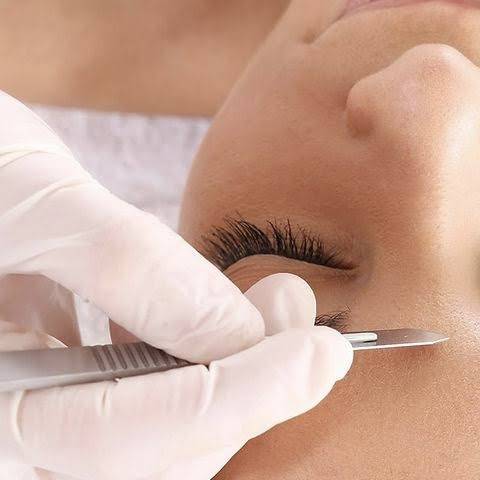
If you offer dermaplaning, how you handle your blades matters as much as how you use them. Clients can’t see what happens to your tools between appointments, so your hygiene routine is part of the trust they place in you. This guide explains how to sterilise dermaplaning blades and handles, which parts must never be reused, and how to dispose of blades safely, based on NSW Health guidance for beauty businesses.
The short answer: dermaplaning blades are single-use, so you never sterilise and reuse a blade. You use a new sterile blade for every client and put it straight into a sharps container afterwards. What you do clean, and in some cases sterilise, is the reusable handle and any other reusable instruments.
Why dermaplaning blade hygiene matters
Dermaplaning uses a sharp surgical-style blade on the skin. Even with careful technique, a blade can cause a small nick, and any tool that may contact blood or broken skin can carry infection between clients if it isn’t handled correctly.
In NSW, razor scraping is listed as a skin penetration procedure, and NSW Health states that razors must never be reused and that reusable instruments that penetrate the skin must be sterilised before each use. Rules differ between states and councils, so check what applies where you work, but building your routine around these standards protects your clients, your insurance cover and your reputation.
Single-use blades vs reusable handles
Most professional dermaplaning systems have two parts: a handle and a detachable blade. They are treated very differently.
| Item | Reuse? | What to do |
|---|---|---|
| Dermaplaning blade | Never | Use a new sterile blade for each client; open it in front of the client; dispose of it straight into a sharps container. |
| Reusable handle | Yes, after reprocessing | Clean after every client, then disinfect or sterilise as the manufacturer and your local rules require. |
| Disposable all-in-one tool | Never | Use once and dispose of the whole tool as a sharp. |
Never try to “sterilise and reuse” a blade, even if it looks clean. Blades are sold sterile and single-use, their edge dulls quickly, and reprocessing them is not something any guidance supports.
How to sterilise dermaplaning blades: the right way to think about it
People often search for how to sterilise dermaplaning blades because they want to keep their kit safe. The safe approach is to keep the blade sterile until the moment you use it, rather than sterilising it afterwards:
- Buy blades that are individually wrapped and labelled sterile, from a reputable supplier.
- Store them in a clean, dry place away from direct sunlight, and check the packaging is intact and in date before use.
- Wash your hands and put on single-use gloves before opening the packet, just before the treatment starts.
- Avoid touching the sterile blade with bare hands.
- After the treatment, remove the blade carefully (a blade remover helps) and dispose of it immediately.
Cleaning a reusable dermaplaning handle after each client
NSW Health’s guidance on cleaning equipment sets out a simple principle: clean first, because disinfection and sterilisation don’t work properly on a dirty instrument. Always follow the handle manufacturer’s instructions, and use these steps as a general guide:
- Clean as soon as practicable. Take the handle to your reprocessing area straight after the treatment, keeping used items separate from clean ones.
- Wear protective equipment. Gloves and eye protection are recommended while cleaning instruments.
- Rinse and scrub. Rinse under warm water, then scrub with a soft brush and a cleaning product suitable for medical devices (household detergents aren’t recommended). Scrub under the water to limit splashes.
- Rinse again and dry completely. Use a lint-free cloth or drying cabinet. Moisture left on an instrument can interfere with sterilisation.
- Disinfect or sterilise. Depending on how the handle is used and what your council requires, either disinfect it as directed by the manufacturer or package it for sterilisation.
An ultrasonic cleaner can help with cleaning, but it does not sterilise.
When does a handle need sterilising?
If any reusable instrument penetrates the skin, NSW requires it to be sterilised before every use. A handle doesn’t normally penetrate the skin, but it can be exposed to blood if a nick occurs. Many therapists choose an autoclavable stainless-steel handle so they can sterilise it after every client. Check the manufacturer’s instructions and ask your local council’s environmental health officer what they expect for your set-up.
What counts as sterilisation (and what doesn’t)
NSW Health is clear that sterilisation of skin-penetration instruments must be done with a steam-under-pressure benchtop autoclave, following the Australian Standard AS 5369:2023. The fact sheet also lists methods that do not sterilise:
- UV cabinets
- Boiling, microwaves or pressure cookers
- Soaking in disinfectant
- Ultrasonic cleaners
If you use an autoclave, NSW Health guidance expects each instrument to be packaged and labelled, loaded so steam reaches every surface, and each cycle recorded (date, time, temperature, pressure and cycle length), with records kept for 12 months for an authorised officer to review. The autoclave also needs regular validation. If that isn’t practical for your business yet, the simpler option is fully disposable tools.
How to dispose of dermaplaning blades safely
- Put used blades straight into a sharps container at the treatment station. Never leave them on a trolley or put them in general waste.
- Use a sharps container that meets AS 23907:2023, and don’t overfill it.
- Waste containing blood or body fluids goes into clinical waste, collected by a licensed waste contractor.
- Keep sharps containers out of reach of clients and children, which matters especially for mobile therapists working in clients’ homes.
Keep simple records
A short hygiene log protects you if a client or inspector asks questions. Record your cleaning and maintenance procedures, any autoclave cycles, and the batch details of the blades you use. Written procedures are also useful when you train staff or prepare for a council inspection.
Your next step
Love the idea of a dermaplaning facial?
Book a relaxing mobile treatment in your own home, or learn the treatment with our flexible online course.
Frequently asked questions
Can I reuse a dermaplaning blade on the same client?
Use a fresh sterile blade for each treatment and dispose of it afterwards. Don’t store a used blade for the client’s next visit.
Can I sterilise blades with alcohol or a UV steriliser?
No. Alcohol and UV cabinets don’t sterilise. Blades are single-use, and reusable skin-penetration instruments need a steam autoclave.
Do I need to register with my council to offer dermaplaning?
In NSW, beauty businesses that do skin penetration procedures, including razor scraping, must register with their local council. Other states have their own rules, so check with your council or state health department.
What if I nick a client during dermaplaning?
Stop, apply gentle pressure with a sterile swab, and follow your first-aid and incident procedures. Treat any instrument that contacted blood as contaminated and clean and reprocess it, or dispose of it if it’s single-use.
Learn dermaplaning with Pretty Perfect Beauty
Safe blade handling, consultation and contraindications are part of our online dermaplaning course. You study the theory lessons at your own pace, complete a quiz, then a practical assessment by video or live Zoom, with trainer support by phone, email or your course dashboard and lifetime access to the material.
Want to add more treatments? The 5-in-1 beauty course bundle combines dermaplaning with HydraFacial, BB Glow, skin needling and plasma fibroblast. BONUS: a professional 3-page website with the 5-in-1 bundle (T&Cs apply; once paid in full; domain, hosting and maintenance not included). You can also compare all our online beauty courses.
General information only, not medical or legal advice. Check your insurance and your council, state or territory requirements before offering treatments, and always follow the manufacturer’s instructions for your equipment.




 Google